Commercial Soundproofing Solutions

Offices, Restaurants, Hotels and More 

Noise affects commercial spaces differently to homes. The stakes are higher: customer reviews, staff performance and retention, productivity metrics, and sometimes regulatory compliance all sit on the line. We’ve worked in commercial environments across Australia for over twenty five years, and the range of problems we see is wide, but the underlying principle is always the same: identify where the sound is coming from, how it’s travelling, and what the most practical fix is given the building and the business.

This page covers the most common commercial applications we work on and what’s involved in each.

Office Soundproofing

Open Plans, Meeting Rooms, and the Problem of Speech Privacy

Open plan offices have created an acoustic problem that the industry has spent years trying to solve with band-aid measures, most of which don’t work well. A dozen people on calls simultaneously in a room with a polished concrete floor, glass partitions, and an exposed ceiling creates a noise environment that’s genuinely fatiguing. Research on open plan workplaces consistently identifies noise as the biggest source of dissatisfaction.

The fix depends on the space. Common problems and what addresses them:

  • Sound bleeding through partition walls: acoustic insulation in the cavity and additional plasterboard mass make a significant difference
  • Noise spill between meeting rooms and open areas: properly sealed acoustic doors combined with wall treatment
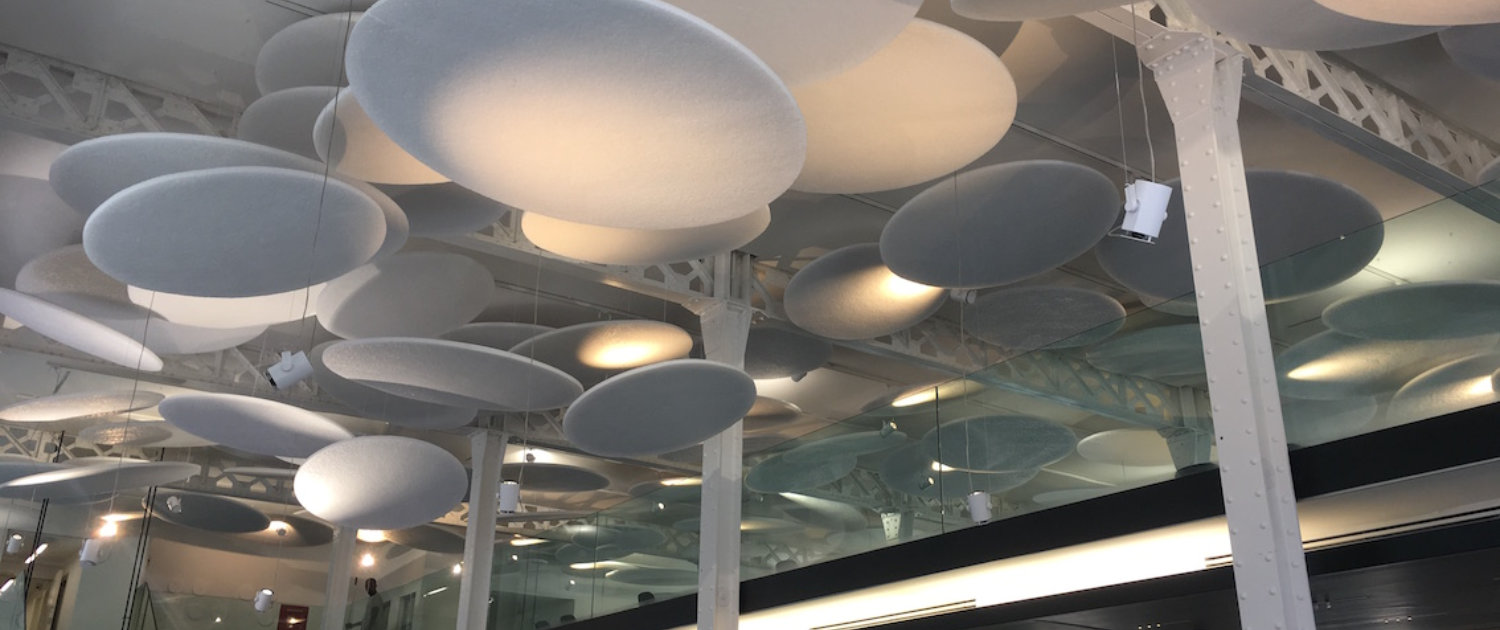
  • Echo and reverb in large open areas: ceiling baffles, acoustic panels, or a combination, positioned where they interrupt the longest reflection paths
  • Speech privacy in executive and professional offices: door and seals, and decoupled wall construction with sealing to STC 50 and above

For new fitouts we can provide acoustic specifications at design stage, which avoids the more expensive option of treating a finished space that doesn’t perform. If you’re inheriting a noise problem in an existing tenancy, we’ll assess what’s actually happening before making any recommendations.

Restaurant and Cafe Acoustics

Hard Surfaces, High Occupancy, and How It Gets Out of Hand

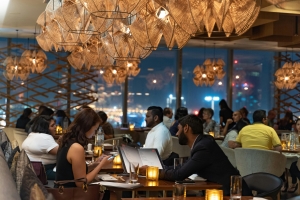
A cafe with polished concrete floors, brick walls, large windows, and a high ceiling is going to be loud. Every hard surface reflects sound back into the room, and as more people talk, they talk louder to be heard over the noise, which makes everyone else louder too. By peak service, some venues measure above 80 dB at table level. That’s not comfortable and it drives shorter visits, less customer spend and poorer reviews.

The right acoustic treatment changes this significantly. You don’t need to cover every surface; you need to reduce the overall reverb time of the space so it stays lively without becoming oppressive. We’ve treated venues where owners have seen immediate positive feedback from customers post acoustic installation.

We work with your interior or directly with you to find products that fit the space aesthetically. 

Common commercial acoustic applications for hospitality venues:

  • Ceiling and Wall panels, or ceiling clouds in dining areas to reduce overall reverb time
  • Acoustic baffles suspended between downlights in the ceiling void
  • Kitchen pass-through acoustic baffles to reduce service noise in the dining room
  • Window secondary glazing to reduce street noise on ground-floor premises

Hotel and Accommodation Soundproofing

Noise Complaints Cost More Than the Fix Does

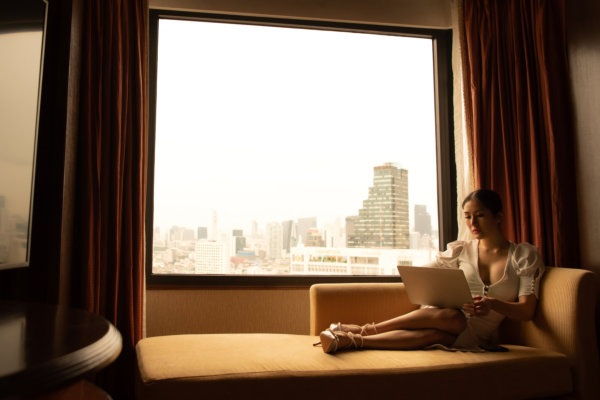
In accommodation, noise is one of the most reliably mentioned complaints in negative reviews. Sound travelling between guest rooms, corridor noise late at night, and external traffic all contribute. Guests will tolerate a lot, but they won’t tolerate being kept awake.

For new builds and major refurbishments, meeting acoustic requirements is mandatory. For existing properties that predate or were built to the minimum standard, the threshold for complaint is often lower than you’d expect, and targeted upgrades can make a measurable difference.

We work on hotel projects at a range of scales: full acoustic packages for new developments, targeted room upgrades for refurbishments, and single-room treatments for specific complaint areas. Our solutions cover:

  • High-STC separating wall and floor/ceiling assemblies between guest rooms
  • Secondary glazing for rooms facing roads, airports, or car parks
  • Acoustic door upgrades with perimeter and threshold sealing
  • Corridor noise reduction including acoustic lining for service areas
  • Reverberation control in lobbies, function rooms, and dining outlets

Window and Door Upgrades for Commercial Buildings

Older commercial buildings, ground-floor retail, and businesses near transport infrastructure are regularly affected by external noise coming through single-glazed windows and poorly-sealed doors. Replacing windows is disruptive and expensive. Our secondary glazing systems fit inside the existing frame with no structural work required, and commercial acoustic door upgrades can usually be installed outside trading hours.

For premises with shopfronts, high-traffic entries, or any openings facing a noise source, we assess the practical options and give you a clear cost-benefit picture before you commit to anything.

Bars, Entertainment Venues and Function Spaces

Licensed venues face acoustic issues in both directions: keeping sound in to avoid neighbour complaints and development condition breaches, and controlling the internal environment so it’s actually enjoyable rather than overwhelming.

Bass frequencies are the problem in most entertainment contexts because they travel through walls and floors that stop higher frequencies easily. Getting the containment right requires mass and structural decoupling, not just lining. We’ve worked on venues where the original construction failed EPA noise conditions after opening, and the treatment required was substantially different from what had been specified at design stage.

If you’re opening a new venue or have an existing compliance issue, we can assess the specific condition requirements and design a treatment that addresses them.

busy-restaurant

Recording Studios

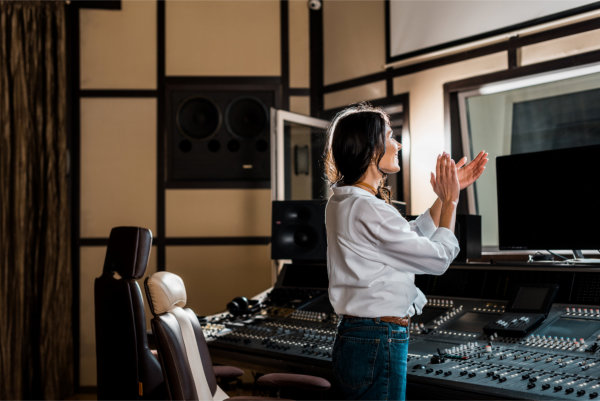
Commercial studios are the most demanding acoustic environment we work in. External noise must be inaudible on measurement. Internal acoustics need to be controlled to flat frequency response with the appropriate reverb time for the application, whether that’s a voiceover booth, a live room, or a control room.

Our studio work includes room-within-room construction for maximum external isolation, broadband absorption for control rooms, and low-frequency bass trap treatment to address the room mode problems that affect most small to medium rooms. We can work alongside acoustic engineers and consultants on these projects.

Schools and Educational Facilities

Acoustics Affect Learning Outcomes

Classroom acoustics have a direct impact on how well students can hear and process speech, particularly for younger children, students with hearing difficulties, or students learning in a second language. Background noise and poor room acoustics reduce speech intelligibility, and the evidence that this affects learning is solid.

Australian Standard AS/NZS 2107 specifies recommended background noise levels and reverb times for different educational spaces. Many existing school buildings, particularly older stock, don’t meet these recommendations. We provide acoustic assessment and treatment for:

  • Classrooms with excessive reverb or background noise from HVAC and external sources
  • Music rooms and rehearsal spaces needing sound containment
  • Libraries and study spaces requiring low noise environments
  • Lecture theatres and assembly halls with speech intelligibility problems

Why Commercial Clients Choose Soundblock Solutions

  • We understand commercial constraints

    Timelines, trading hours, aesthetic requirements, and compliance conditions all affect what’s practical. We’ve done enough commercial work to plan installations that minimise disruption and deliver on time. specific acoustic challenges before recommending solutions.

  • Products with documented performance

    Our secondary glazing systems, acoustic door packages, and acoustic foam absorbers all come with real acoustic performance data, not marketing approximations. When you need to demonstrate to a certifier or a regulator that you’ve addressed a noise problem, that documentation matters.

  • Honest scoping

    We’ll tell you what a treatment will and won’t achieve before you spend money on it. If a proposed solution can’t hit your target, we’d rather tell you that upfront than have you discover it after installation.

Frequently Asked Questions

No. Modern acoustic products are available in hundreds of fabric colours and finishes, can be custom-covered and or printed, or fabricated in shapes that suit the space. We’ve installed acoustic panels in restaurants, hotel lobbies, and corporate offices where you’d need to look closely to identify them as acoustic products.

Acoustic panel installation and window secondary glazing are low disruption and can often be done outside trading hours. Structural work on walls or floor/ceiling assemblies takes longer and may require temporary closure of affected areas. We scope this honestly at the quoting stage.

Frequently. Getting acoustic specifications right during the design phase is far more cost-effective than dealing with a problem after handover. We can work with your designer or project manager from early in the process.

We operate across all major Australian metropolitan areas. Contact us to discuss your project location.

Get a Commercial Acoustic Assessment

If noise is affecting your business, staff, or customers, get in touch.
We’ll assess the space, explain the options, and provide a clear quote.
Businesses across Australia have used us to solve noise problems that other trades told them couldn’t be fixed.