The Complete Guide to Soundproofing Your Home in Australia
Whether it’s traffic noise from a busy street, noisy neighbours, aircraft overhead, or simply wanting to create a peaceful sanctuary within your own four walls, soundproofing has become an essential consideration for Australian homeowners. In our increasingly noisy world, the ability to control sound in your home isn’t just about comfort – it’s about protecting your health, productivity, and quality of life.
This comprehensive guide will walk you through things you need to know about soundproofing your home, from understanding the basics to implementing effective solutions room by room.
Why Soundproofing Matters for Australian Homes
Australia’s urban centres are growing denser, with more apartment buildings, increased traffic and busier streets. According to environmental health research, prolonged exposure to noise pollution can lead to sleep disturbance, increased stress levels and reduced cognitive performance in both adults and children.
Beyond health concerns, soundproofing adds tangible value to your property. Homes in quieter locations or with effective noise reduction command premium prices in the real estate market. For those working from home – a trend that’s here to stay – controlling noise has become essential for productivity and professional video calls.
Common Noise Problems in Australian Homes
Before diving into solutions, it’s important to understand the types of noise affecting your home:
Traffic Noise: Major roads, highways and busy streets generate constant low-frequency rumble and high-frequency tyre noise. This is particularly problematic in inner-city suburbs of Sydney, Melbourne, Brisbane, Adelaide and Perth.
Aircraft Noise: Homes near airports or under flight paths experience regular disturbances. Areas around Sydney Airport, Melbourne Airport and Brisbane Airport are particularly affected.
Neighbour Noise: In apartments and townhouses, sound transmission through shared walls, floors and ceilings are a primary concern. This includes voices, television, music, footsteps and plumbing noise.
Street Activity: Pedestrian traffic, nearby restaurants and bars, delivery vehicles, and garbage collection can disrupt peace, especially in mixed-use neighborhoods.
Environmental Sounds: Some areas experience noise from construction sites, industrial facilities, road and railways, or even wildlife in certain regions.
Understanding Sound Transmission
To effectively soundproof your home, it helps to understand how sound travels. Sound waves move through the air and follow solid structures like walls, floors, and ceilings. There are two main types of sound transmission:
Airborne Sound: This travels through the air – voices, music, television, and traffic noise. It enters through gaps, windows, doors, and can penetrate through walls, ceilings and floors.
Impact Sound: Also called structure-borne sound, this results from physical impact – footsteps, furniture moving, doors slamming. It travels through the building structure itself and can sometimes be felt as vibration.
Effective soundproofing addresses both types, often requiring different approaches and materials.
Room-by-Room Soundproofing Guide
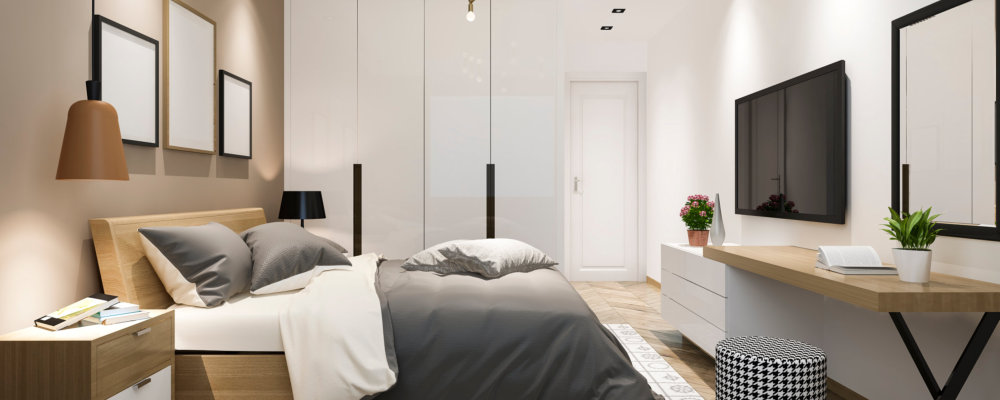
Bedrooms: Your Sleep Sanctuary
Bedrooms require a high level of noise control since quality sleep is essential for health and wellbeing.
Windows: These are often the weakest point in bedroom soundproofing. Secondary sliding window systems with acoustic laminated glass, or alternatively magnetic acrylic window panels, together with a 70-100mm airgap, can reduce perceived noise by 30-40 decibels.
Walls: For shared or common walls with neighbours or noisy areas of your home, add a secondary Barrierboard wall, either direct fix or with isolation mounts and acoustic installation, will stop or significantly reduce the perceived noise transmission.
Doors: Replace hollow-core doors with solid-core doors and install acoustic door perimeter seals around the frame. The gap under the door should be sealed with a bottom drop seal.
Ceilings and Floors: If noise comes from above or below, consider acoustic underlay beneath carpet or floating floor systems that decouple the floor from the structure.
Home Offices: Productivity Without Interruption
With remote work now standard for many Australians, home office soundproofing has become essential.
Creating a Quiet Zone: Start by choosing the quietest room in your home, ideally away from street-facing walls and high-traffic areas. If noise still intrudes, then consider installing secondary windows. Acoustic panels on the ceiling and or walls will reduce perceived noise and reverberation, improving sound quality for video calls.
Professional Audio Quality: Even moderate soundproofing dramatically improves how you sound on Zoom or Teams calls. Reducing echo and background noise makes you appear more professional and prevents the need to constantly repeat yourself.
Door Solutions: Install a solid core door with perimeter and bottom drop seals. Consider adding a secondary door to create an airlock effect, which is highly effective at blocking sound.
Ventilation: Remember that soundproofing can reduce airflow. Ensure adequate ventilation with acoustic vents or a quiet HVAC system to maintain comfort without compromising noise reduction.
Living Areas: Balance Comfort and Acoustics
Living rooms and open-plan areas present unique challenges since you want to reduce external noise while maintaining a lively, welcoming atmosphere.
Strategic Absorption: Heavy curtains, upholstered furniture, rugs, and acoustic panels can reduce echo and absorb sound without making the space feel dead. Focus on treating reflective surfaces like bare walls and hard floors.
Entertainment Systems: If your home theatre or music system disturbs others, consider bass traps in corners and acoustic panels on walls. For serious audiophiles or respectful neighbours, room-within-a-room construction provides complete isolation.
Open Plan Considerations: Large open spaces can amplify noise. Strategic placement of bookshelves, room dividers, and furniture helps break up sound paths and reduces noise travel between zones.
Bathrooms and Laundry Rooms
Plumbing noise can be surprisingly disruptive throughout a home.
Pipe Insulation: Wrap pipes with acoustic lagging to reduce water flow noise and vibration transmission through walls.
Wall Cavities: Fill wall cavities around plumbing with acoustic insulation to prevent sound from traveling to adjacent rooms.
Ventilation Fans: Choose quiet exhaust fans (look for low sone ratings) and install them with vibration isolation mounts.
Product Options and Their Effectiveness
Understanding your options helps you choose the right solution for your situation and budget:
Acoustic Insulation: Installed within wall and ceiling cavities, these absorb sound energy. Look for products specifically designed for acoustic performance, not just thermal insulation. Effectiveness: Moderate to high for airborne sound.
Mass-Loaded Vinyl (MLV): This dense, flexible material adds mass to walls, floors, and ceilings without taking up much space. It’s particularly effective for blocking low-frequency sounds. Effectiveness: High for airborne sound.
Acoustic Panels: Wall-mounted or ceiling-mounted panels absorb echo and reverberation, improving sound quality within a room. They don’t block sound from entering but dramatically improve acoustics. Effectiveness: High for internal acoustics, low for sound blocking.
Soundproof Plasterboard: Specialized drywall contains acoustic dampening properties and additional mass. Effectiveness: Moderate to high when properly installed.
Resilient Channels and Isolation Clips: These decouple walls and ceilings from the structure, preventing vibration transmission. Effectiveness: Very high for both airborne and impact sound.
Acoustic Doors and Seals: Solid-core doors with proper sealing around all edges dramatically outperform hollow-core doors. Effectiveness: High for doorway noise transmission.
Window Treatments: Secondary sliding window and magnetic acrylic panels with 70-100mm airgaps, outperform primary windows. Effectiveness: Very high (acoustic laminated double glazing).
DIY vs. Professional Installation
Some soundproofing projects are suitable for capable DIYers, while others require professional expertise.
Suitable for DIY:
- Installing acoustic panels
- Adding acoustic curtains and door seals
- Applying weatherstripping to windows
- Installing acoustic underlay before floating floors
- Adding rugs, furniture, and soft furnishings
Best Left to Professionals:
- Structural modifications and wall construction
- Secondary Ceiling treatments requiring electrical work
- Window replacement and secondary glazing installation
- Complex multi-layer wall systems
- Industrial or commercial applications
- Projects requiring building permits
Professional installation ensures products are correctly fitted for maximum effectiveness, saves time, and comes with warranties. At Soundblock Solutions, we assess your specific situation and can either supply products throughout Australia for your DIY project or provide complete supply and install services depending on your location.
Cost Breakdown and ROI
Soundproofing costs vary significantly based on the scope of work and products chosen:
Budget-Friendly Solutions ($200-$1,000): Door seals, acoustic curtains, DIY acoustic panels, weatherstripping, soft furnishings. These provide noticeable improvement for minor noise issues.
Mid-Range Solutions ($1,000-$10,000): Double-glazed window replacement for one or two rooms, professional acoustic panel installation, additional drywall with acoustic compound, door replacement. These deliver substantial noise reduction.
Comprehensive Solutions ($10,000-$100,000+): Whole-home soundproofing including wall treatments, ceiling work, complete window replacement, specialized doors. These provide maximum noise control and add significant property value.
Return on Investment: Quality soundproofing can possibly add 3-5% to property values in noisy areas. Beyond resale value, the health benefits, improved sleep quality, and enhanced daily living experience provide immediate returns that are difficult to quantify but profoundly valuable.
Building Codes and Compliance in Australia
Australian building standards include noise control requirements, particularly for new construction and renovations. The National Construction Code (NCC) specifies minimum sound transmission requirements for walls, floors, and ceilings in multi-residential buildings.
For renovations, council approval may be required for structural changes. Even cosmetic soundproofing work should consider building regulations regarding fire ratings, ventilation, and structural integrity.
If you’re soundproofing an apartment or unit, you may need strata approval for modifications to common property or changes affecting the building exterior. Always check with your body corporate before beginning work.
Real Customer Success Stories
Family, Concord, NSW: Living on a busy road, the constant traffic noise was affecting their children’s sleep and study. After installing secondary double-glazed windows on street-facing rooms and adding acoustic insulation to walls, they reported a significant reduction in noise levels. “It’s like living in a different house. The kids sleep through the night now, and we can actually have conversations without raising our voices.”
Tech Startup, South Melbourne: This growing company struggled with noise in their open-plan office affecting video calls and concentration. Soundblock Solutions installed ceiling-mounted acoustic panels. The result was dramatically improved call quality and a large reduction in reported noise and stress complaints from staff.
Residence, near Mascot Airport, Sydney: Aircraft noise every few minutes made outdoor living impossible and disrupted indoor peace. After comprehensive soundproofing including specialized windows, ceiling treatments, and wall insulation, the family reported noise levels dropping from unbearable to barely noticeable. Property value increased by an estimated $65,000.
Getting Started with Your Soundproofing Project
Ready to reclaim peace and quiet in your home? Here’s how to begin:
- Identify Your Noise Sources: Spend a few days noting when and where noise is most problematic. Is it constant or intermittent? Which rooms are affected?
- Set Your Budget: Determine how much you can invest. Remember that even modest improvements can make significant differences.
- Get Professional Assessment: Contact Soundblock Solutions for a free consultation. We’ll assess your specific situation, measure noise levels if needed, and recommend targeted solutions that fit your budget.
- Prioritize: You don’t need to soundproof your entire home at once. Start with the rooms where noise has the biggest impact – typically bedrooms and home offices.
- Choose Your Approach: Decide whether you’ll tackle some work yourself or prefer professional installation for optimal results.
Conclusion
Soundproofing your Australian home is an investment in your health, happiness, and property value. Whether you’re dealing with traffic noise, noisy neighbours, or simply want to create peaceful spaces within your home, effective solutions exist for every situation.
The key is understanding your specific noise problems, choosing appropriate products, and ensuring proper installation. At Soundblock Solutions, we’ve helped thousands of Australian homeowners and businesses achieve the quiet environments they deserve.
Don’t let noise control your life. Contact Soundblock Solutions today for a quote and discover how we can create a custom soundproofing solution for your home.
We’re here to help you achieve the peace and quiet you deserve.
You may be also interested in
 https://www.soundblock.com.au/wp-content/uploads/2026/03/Untitled-1050-x-650-mm-3.png
756
2268
Liane Fletcher
https://www.soundblock.com.au/wp-content/uploads/2025/02/Soundblock-Solutions-Logo.png
Liane Fletcher2026-03-05 11:07:122026-03-19 14:24:24Inter-Noise 2026: Soundblock Solutions Exhibiting
https://www.soundblock.com.au/wp-content/uploads/2026/03/Untitled-1050-x-650-mm-3.png
756
2268
Liane Fletcher
https://www.soundblock.com.au/wp-content/uploads/2025/02/Soundblock-Solutions-Logo.png
Liane Fletcher2026-03-05 11:07:122026-03-19 14:24:24Inter-Noise 2026: Soundblock Solutions Exhibiting https://www.soundblock.com.au/wp-content/uploads/2025/10/Apartment-block-scaled.jpg
1707
2560
Liane Fletcher
https://www.soundblock.com.au/wp-content/uploads/2025/02/Soundblock-Solutions-Logo.png
Liane Fletcher2025-10-15 15:45:402026-03-23 22:07:20Apartment Soundproofing: How to Deal with Noisy Neighbours
https://www.soundblock.com.au/wp-content/uploads/2025/10/Apartment-block-scaled.jpg
1707
2560
Liane Fletcher
https://www.soundblock.com.au/wp-content/uploads/2025/02/Soundblock-Solutions-Logo.png
Liane Fletcher2025-10-15 15:45:402026-03-23 22:07:20Apartment Soundproofing: How to Deal with Noisy Neighbours https://www.soundblock.com.au/wp-content/uploads/2025/07/Soundproof-absorbers.jpg
535
800
Liane Fletcher
https://www.soundblock.com.au/wp-content/uploads/2025/02/Soundblock-Solutions-Logo.png
Liane Fletcher2025-10-15 15:45:102026-03-23 22:06:58Restaurant Acoustics: How to Reduce Noise and Improve Customer Experience
https://www.soundblock.com.au/wp-content/uploads/2025/07/Soundproof-absorbers.jpg
535
800
Liane Fletcher
https://www.soundblock.com.au/wp-content/uploads/2025/02/Soundblock-Solutions-Logo.png
Liane Fletcher2025-10-15 15:45:102026-03-23 22:06:58Restaurant Acoustics: How to Reduce Noise and Improve Customer Experience